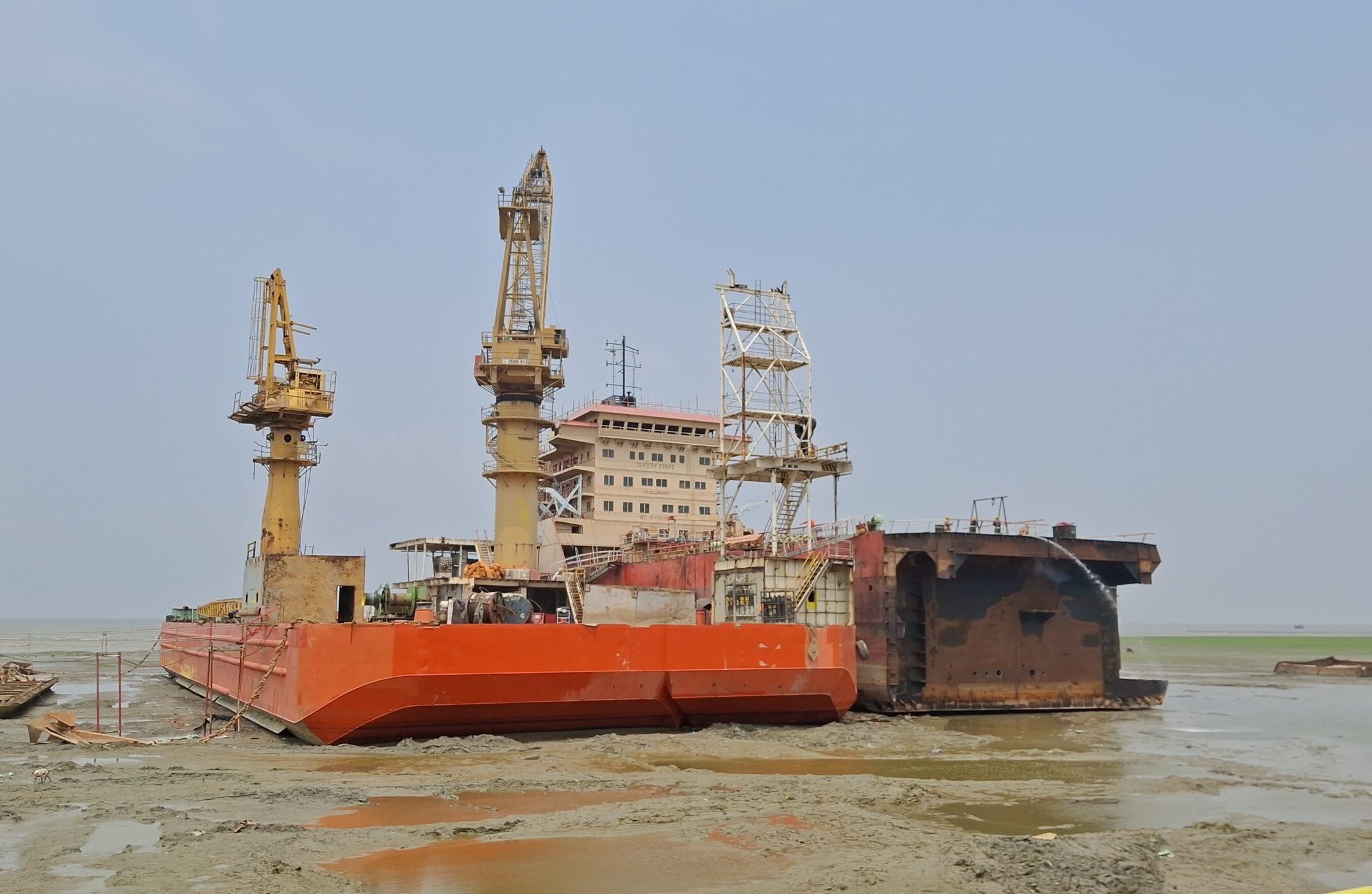
THE STEPS TOWARDS SUSTAINABLE SHIP RECYCLING

Step One
Step 1 – Contract for ship recycling

FSSR assists the shipowners with contract preparations with the recycling facility and preparation of documentation and records to meet the requirements of the IMO Hong Kong Convention and/or the EU Ship Recycling Regulation and its guidelines, the Inventory of Hazardous Materials (IHM), Ship Recycling Facility Plan (SRFP), Ship Recycling Plan (SRP), Statement of Completion (SoC), and class survey statement (Independent Regulatory Review Commission – IRRC). In addition, a Ship Recycling Facility (SRF) monitoring program will be developed.


Step Two
Step 2 – Inventory of Hazardous Materials (IHM) preparation

The IHM is a ship-specific record that can only be prepared by a qualified expert.

Step Three
Step 3 – Ship Recycling Plan (SRP) development

The SRP should be developed. In accordance with MEPC.196(62), refer to a specific SRF, reflect the vessel’s specific Inventory of Hazardous Materials (IHM) and provide licensed disposal and recycling solutions for all materials listed in the IHM.

Step Four

The SRP requires Competent Authority (Recycling State) approval. Explicit approval shall be with written notice of result and tacit approval shall specify the end date of a 14-day review period. An expert assessment of the SRP is recommended until the regulations are fully applicable.

Step 4 – Ship Recycling Plan (SRP) approval process
Step Five
Step 5 – Approved Ship Recycling Plan (SRP)

The SRF forwards the approved SRP to the shipowner. The SRP should contain the final version of the Inventory of Hazardous Materials (IHM).

Step Six

The final survey shall be conducted before the recycling activity starts. The survey guidelines (MEPC. 222[64]) should be followed. After the successful survey, an IRRC can be issued. The documents to be submitted for the survey include the IHM (Parts I, II, and III), the approved SRP and a copy of a valid SRF Document of Authorization of Ship Recycling (DASR).

Step 6 – Final survey by class
Step Seven
Step 7 – Report and start of ship recycling

The SRF commences the ship recycling with the submission of the IRRC to the Competent Authority. The process should be monitored by an independent expert if the SRF is not on the EU list of approved SRFs.

Step Eight

After completion, the SRF issues a Statement of Completion (SoC) together with a report on any accidents damaging human health and the environment, reports this to its client and the Competent Authority. All involved stakeholders receive a copy of the SoC.

Step 8 – Statement of Completion (SoC)

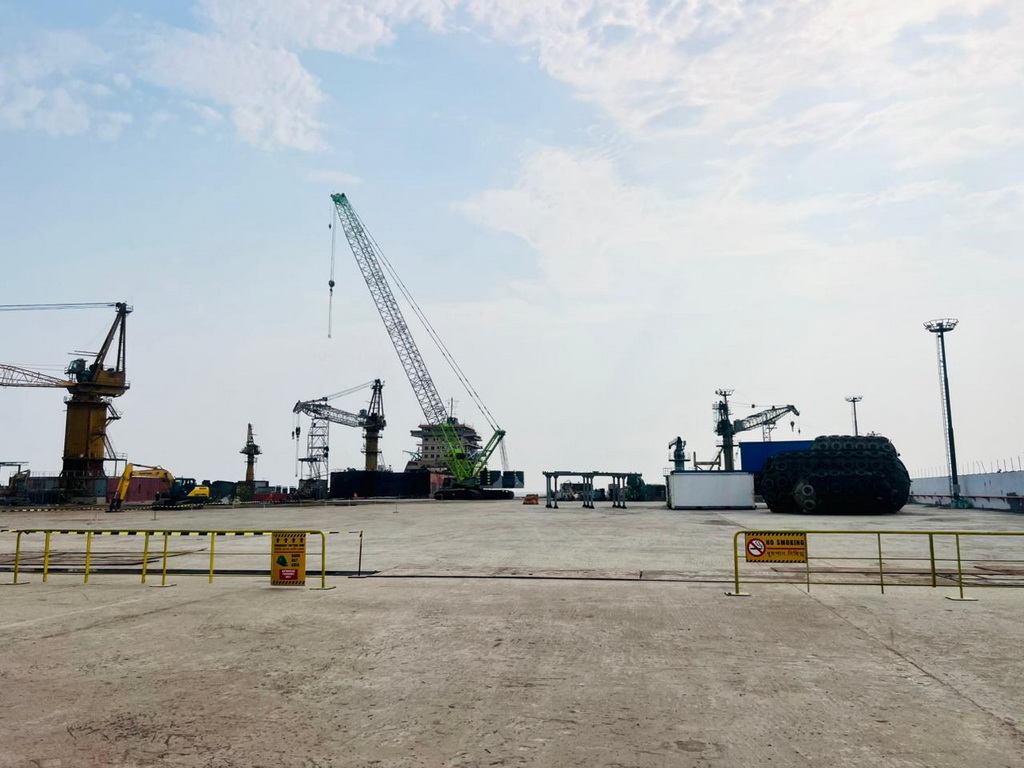
Equipment & Machinery

Quality
Assurance

Logistic
Support

Rescue
Boat

Crawler
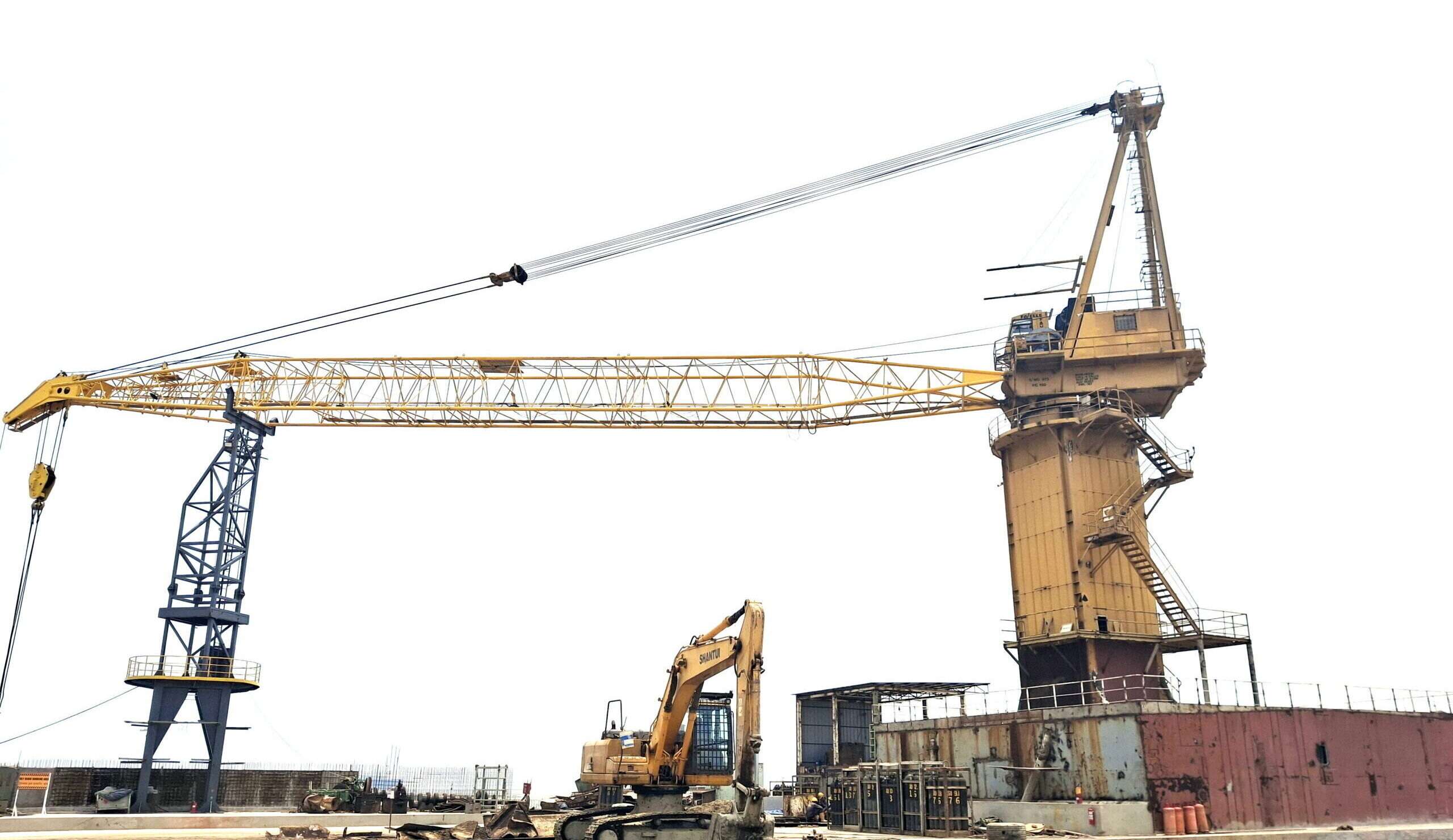
Crane

Generator

Barge mounted crane

2021

OCCUPATIONAL HEALTH, SAFETY &
ENVIRONMENT (OHS&E) MONITORING

Occupational Health & Safety Monitoring:

Ship recycling facilities are hazardous workplaces and the health and safety of workers in such facilities must be closely monitored to prevent accidents and injuries. The following key steps are followed to ensure occupational health and safety monitoring of workers in our ship recycling facilities:

  1. Conduct health risk assessment: A comprehensive risk assessment is conducted to identify potential hazards and risks of the workers. This assessment includes an evaluation of the physical, chemical, and biological hazards that workers may be exposed to, such as noise, heat, dust, asbestos, and chemicals.
  2. Implement engineering controls: Once potential hazards are identified, engineering controls put in place to minimize the risks to workers
  3. Provide Personal Protective Equipment (PPE): Workers in the ship recycling yard are provided with appropriate PPE such as boiler suit, gum boot, gloves, hard hats, safety goggles, respirators etc.
  4. Conduct regular health screenings: Regular health screenings are conducted to detect any signs of work-related illnesses or injuries. This includes hearing tests, lung function tests, blood & urine tests, ECG, skin assessments etc.
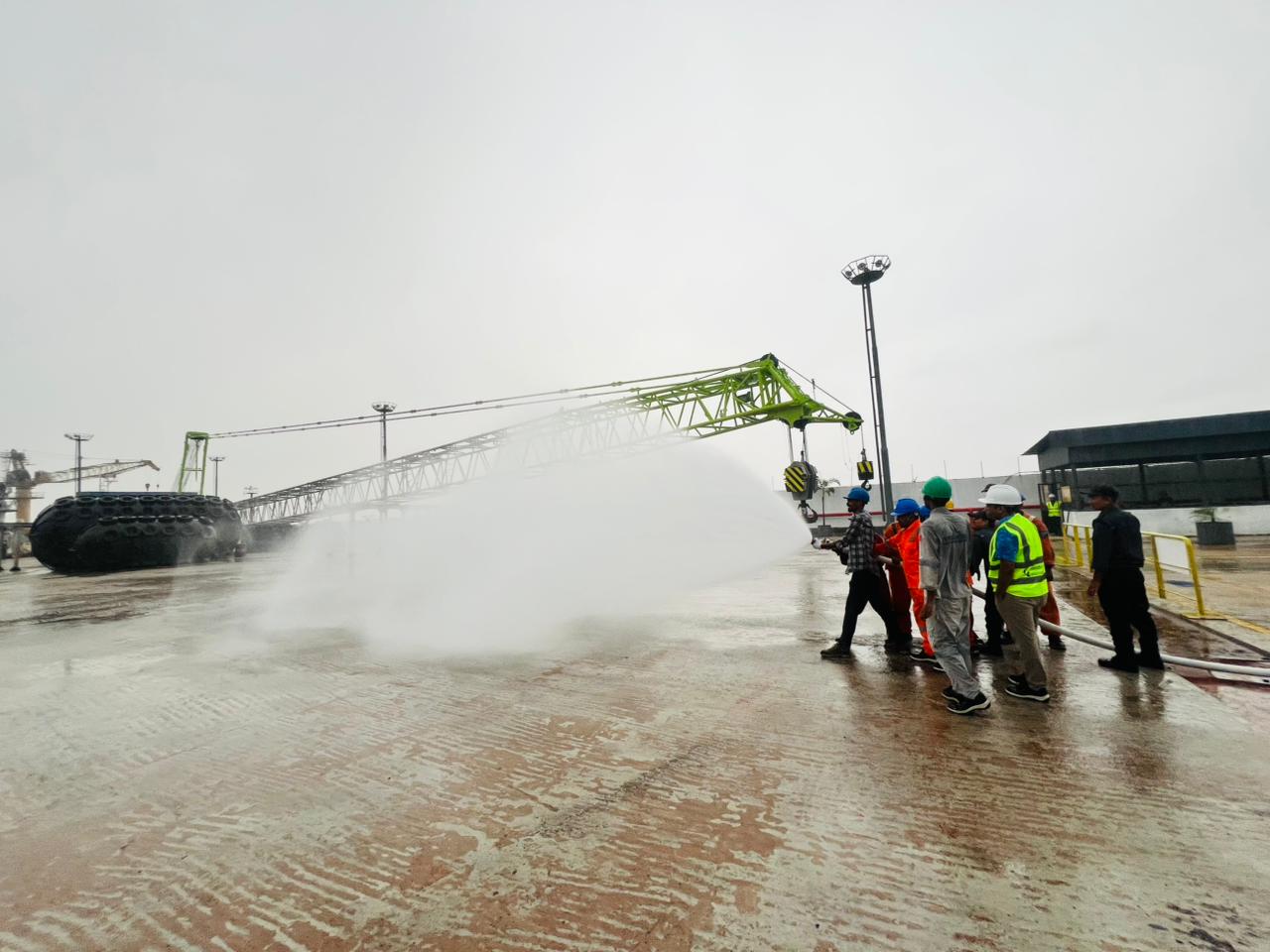
  5. Train workers: Workers are trained on the potential hazards they may encounter in the ship recycling yard and how to use the PPE and engineering controls provided to them. The training also covers emergency procedures and first aid.
  6. Implement a safety management system: A safety management system is in place to ensure that all workers are following the proper safety procedures and that any incidents or injuries are promptly reported and addressed.
  7. Monitor and evaluate the effectiveness of the safety program: Regular monitoring and evaluation of the safety program are conducted to ensure that it is effective in protecting workers and preventing accidents and injuries.

Incident Monitoring of Occupational Health & Environment

At our facilities, we place the highest importance on the well-being of our employees, the communities we operate in, and the environment. Our commitment to safety and environmental stewardship is underpinned by our rigorous incident monitoring and management practices.

Our Approach:

  1. Incident Prevention: Our foremost goal is to prevent incidents that could impact health and the environment. We invest in robust safety measures, training and sustainable practices to minimize risks.
  2. Incident Monitoring: We maintain a vigilant monitoring system that tracks and assesses potential health and environmental incidents in real-time. This includes regular inspections, record keepings for both yard & vessel and analysis of the incidents accordingly.
  3. Timely Response: In the event of an incident, we are committed to a swift and efficient response. Our emergency response teams are well-prepared and have access to the necessary resources to mitigate any potential harm.

Key Aspects of Our Incident Monitoring:

  1. Data Collection: Our HSE Inspectors are trained to capture the incident data on daily basis to continuously monitor key environmental and health parameters, allowing us to detect and respond to incidents promptly.
  2. Reporting: Incidents are promptly reported and documented to ensure transparency and accountability. We maintain detailed records of each incident and our response actions.
  3. Risk Assessment: Our team of experts conducts risk assessments to understand the potential impacts of incidents and determine appropriate response strategies.
  4. Stakeholder Engagement: We maintain open lines of communication with our employees, nearby communities and regulatory authorities to keep them informed about incident monitoring and response efforts.
  5. Continual Improvement: We believe in the principle of continual improvement. After each incident, we conduct a thorough analysis to identify root causes and implement preventive measures.

Environmental Stewardship:

Our commitment to environmental protection goes beyond compliance with regulations. We actively work to reduce our environmental footprint, conserve resources and minimize the impact of our operations on the planet.

Transparency and Accountability:

We are dedicated to transparency in all aspects of our incident monitoring and response efforts. Our stakeholders can trust that we take their well-being and environmental concerns seriously.

  1. Implement engineering controls: Once potential hazards are identified, engineering controls put in place to minimize the risks to workers
  2. Provide Personal Protective Equipment (PPE): Workers in the ship recycling yard are provided with appropriate PPE such as boiler suit, gum boot, gloves, hard hats, safety goggles, respirators etc.
  3. Conduct regular health screenings: Regular health screenings are conducted to detect any signs of work-related illnesses or injuries. This includes hearing tests, lung function tests, blood & urine tests, ECG, skin assessments etc.
  4. Train workers: Workers are trained on the potential hazards they may encounter in the ship recycling yard and how to use the PPE and engineering controls provided to them. The training also covers emergency procedures and first aid.
  5. Implement a safety management system: A safety management system is in place to ensure that all workers are following the proper safety procedures and that any incidents or injuries are promptly reported and addressed.
  6. Monitor and evaluate the effectiveness of the safety program: Regular monitoring and evaluation of the safety program are conducted to ensure that it is effective in protecting workers and preventing accidents and injuries.